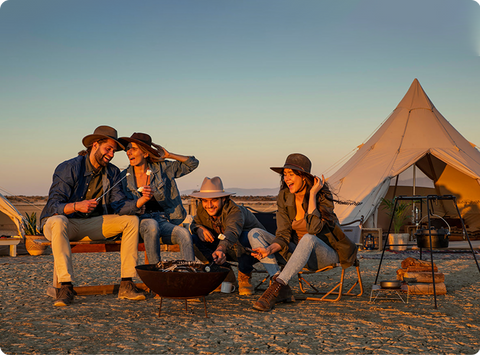
The campsite in nature, which was a sort of military or sporting training project, has now become a leisure activity for ordinary people. The campsite generally requires a bonfire, which not only can prevent the invasion of wild animals, but can also be used to burn, fry, boil or heat camping foods, so it is very important to make a camping fire.
Camping is a free time activity in which hikers usually wear curtains and leave the city in nature for one or more nights. The campsite is often related to other activities such as excursions, fishing or swimming.
The campsite was introduced in the daily education of people and in recreational sports many years ago. The most influential collective camping activity in the world is the «Muslim youth campsite».
The Benefits of Camping and Learning Outdoor Skills
Camping has evolved from a practical survival activity into one of the world’s most popular outdoor hobbies. What was once primarily associated with military training or wilderness expeditions is now enjoyed by families, friends, and solo travelers looking to escape busy city life and reconnect with nature. Whether spending a single night under the stars or embarking on a week-long adventure, camping provides an opportunity to relax, explore new places, and develop valuable outdoor skills.
One of the most iconic aspects of camping is gathering around a campfire. Beyond creating a warm and welcoming atmosphere, a properly managed campfire serves several practical purposes. It provides heat during cold evenings, allows campers to cook meals, boil water, and create a comfortable place where friends and family can gather to share stories after sunset. However, campfires should always be built responsibly by following local regulations, using designated fire rings whenever available, and ensuring the fire is completely extinguished before leaving the campsite.
More Than Just Sleeping Outdoors
Camping often goes hand in hand with a wide variety of outdoor activities. Hiking, fishing, kayaking, cycling, wildlife watching, swimming, and photography are just a few of the adventures that naturally complement a camping trip. Spending time outdoors also encourages people to become more physically active while enjoying fresh air and beautiful natural scenery, making camping both relaxing and beneficial for overall well-being.
Another reason camping has remained popular across generations is its educational value. Children and adults alike learn practical skills such as setting up a tent, preparing meals outdoors, reading maps, building shelters, managing equipment, and respecting wildlife. These experiences promote independence, teamwork, and problem-solving while fostering a deeper appreciation for the environment.
Camping has also played an important role in youth organizations and educational programs around the world. For decades, schools, scouting groups, and outdoor clubs have organized camping trips to teach leadership, responsibility, and cooperation. Living outdoors encourages participants to work together, adapt to changing conditions, and develop confidence through hands-on experiences that are difficult to replicate in a classroom.
Modern camping offers options for every type of traveler. Some people enjoy lightweight backpacking expeditions deep into the wilderness, while others prefer family campgrounds equipped with electricity, showers, and recreational facilities. Glamping has also introduced a more comfortable way to experience nature by combining luxury accommodations with outdoor settings, making camping accessible to an even wider audience.
Responsible camping is equally important for preserving natural spaces. Following the Leave No Trace principles—disposing of waste properly, respecting wildlife, minimizing campfire impacts, and leaving campsites as they were found—helps protect forests, mountains, lakes, and national parks for future generations. Small actions by individual campers collectively make a significant difference in conserving these beautiful environments.
Ultimately, camping is much more than simply spending a night outside. It is an opportunity to disconnect from technology, strengthen relationships, learn practical skills, and experience the peace and beauty of nature firsthand. Whether you’re a beginner or an experienced outdoor enthusiast, every camping trip offers new adventures, valuable lessons, and memories that can last a lifetime.
Types of camping
The campsite can be divided in principle into three types, the first isthe normal campsitethe second isThe campsite with a trailerAnd the third isCamping in special formG.
Regular campsite
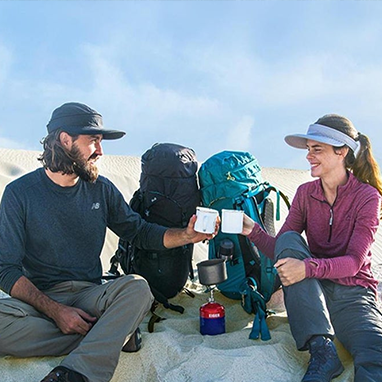
It refers to the campaigns that walk or with vehicles at the campsite, usually in valleys, lakes and riva del mare. The fields can make field, barbecue, picnic or singing. This is also the most common camping activity. Travelers who often carry out these activities and like other outdoor sports fans, also known as backpackers.
Trailer Camping
It refers to the driving of a special travel vehicle, also known as a vehicle for a mobile house, to camp in nature. Usually, such a caravan is like a house, with heating or air conditioning equipment, as well as supply of electricity and even a kitchen. Usually, such camping caravans are not. Known as a backpacker.
Special camping in shape
It refers to the campsite for special activities, such as long -term climbing. Long distance climbing can take several days. To rest, the fields hang the curtains on the edge of the rock to the field. This type of camping is very dangerous and interesting.
Verification list for camping
→ camping control list
The camping control list helps you to prepare any camping equipment you need!
Material that stands out
Cooking and camping cuisine
Hygiene and toilets
Clean up
Assistance
Other
- Anti -Insult goods
- Cleaning products
- Medicine
- Compass
→ How to choose a camping/bed mattress
→ How to choose the camping hat?
→ How to choose camping shoes?
Camping tent
→ How to choose a tent?
→ How to install a tent?
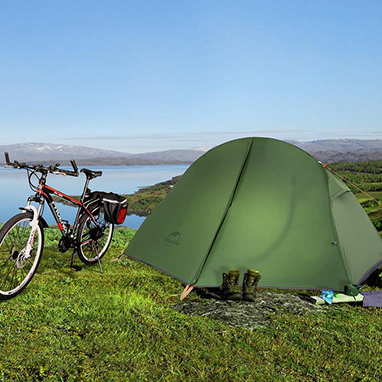
The camping tent is a necessary camping equipment, it helps you know how to install a curtain, how to choose the right place to install and any camping curtain for you
Step to set a tent:
- Check the integrity of the curtain and accessories
- Understand a suitable place
- Place the rugs
- Assemble the accessories
- Assemble the fixed curtain curtain
Suggestions for camping
→ Suggestions for camping
Some dangers that can be addressed in the campsite?
- Human factors
- environment
- Climate
- Mixed factors
→ beginners excursions
→ Control list for one day excursions
How to get water in the wild
→ How to get water in the wild?
7 ways to obtain water in nature:
- Use your five senses
- Depending on the climate and the dry and humid conditions of the soil
- Find water based on the growth of plants
- Find water according to animal and insect activities
- Find water based on time changes
- Get water directly from the plants
- Other ways to find water
How to set fire to the wild state
→ How to set fire to the wild?
We will give you some suggestions and ways to help you fire in nature.
- Tap Stones
- Use batteries
- Wood demolition/arch
- Sorceress/convex lenses to turn on the fire
- Use Rattan
- Stones
Conclusion
In conclusion, camping is a timeless recreational activity that allows people to escape the hustle and bustle of urban life and immerse themselves in nature. It typically involves spending one or more nights outdoors, often in tents, and is closely linked to a variety of other leisure activities such as hiking, fishing, swimming, and exploring the natural surroundings. These additional activities enrich the camping experience, providing both relaxation and opportunities for adventure.
Historically, camping has played an important role in education and recreational development, teaching individuals, particularly youth, essential skills such as teamwork, problem-solving, survival techniques, and environmental awareness. Through these experiences, participants not only learn practical skills but also develop a deeper appreciation for nature and a sense of responsibility toward preserving it.
Collective camping activities, such as the renowned «Muslim Youth Campsite,» demonstrate how camping can bring people together, fostering social connections, shared learning, and cultural exchange. Such organized events highlight the educational, social, and recreational value of camping, offering participants structured opportunities to grow personally while engaging with peers in meaningful ways.
Overall, camping is more than just a leisure activity; it is a holistic experience that combines recreation, education, and social interaction. Whether as a solo retreat, a family outing, or part of a larger organized group, camping encourages individuals to disconnect from everyday pressures, connect with the natural world, and create lasting memories. Its enduring popularity underscores its ability to adapt across generations, cultures, and lifestyles, ensuring that people continue to experience the joys and benefits of spending time outdoors
latest posts published
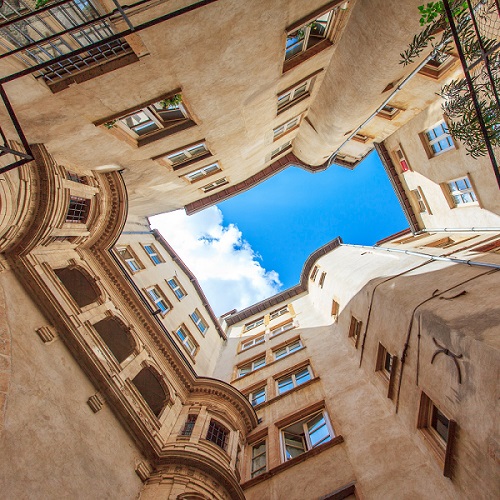
Explore Lyon’s traboules with mobile applications

Caravaning in Lyon: where home?

First look: The Light Tent Taga

Review of the trekking pole – camping curtains
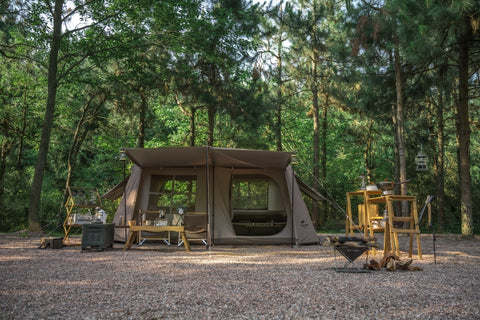
Brown friends and clean air: a camping guide

How to choose the camping hat?
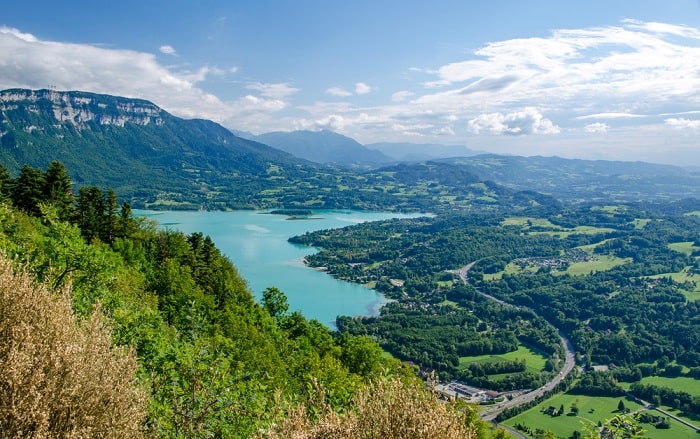
The best bathroom points near Lyon camping
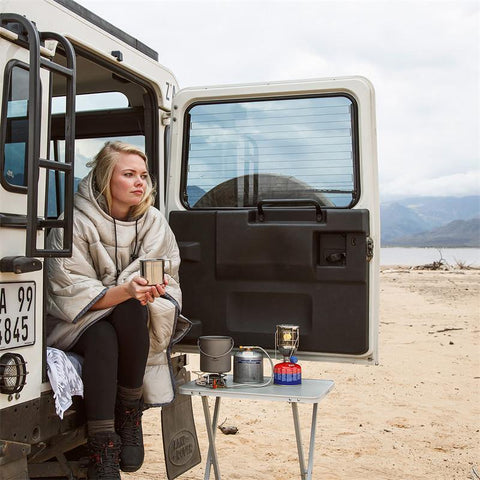
How to sleep well when you are camping?

Kitchen equipment for camping