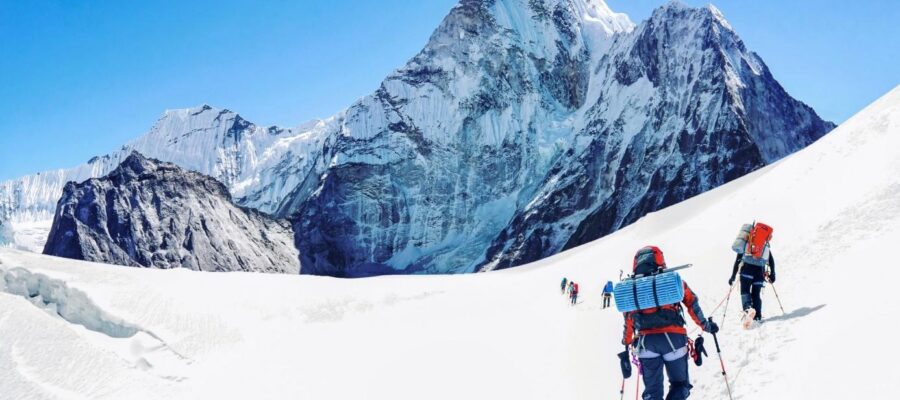
Every trip on the course, whether it is a family weekend trip, a few days of camping with friends or via ferrata, requires adequate training. What kind of equipment, accessories and tourist gadgets carry with you in the mountains to fully use your skills and to travel safely every kilometer of the planned route?
The appropriate training for mountain routes is important, due to dynamic changes in weather conditions or unexpected situations (for example, lost loss, lack of signal, closed cottage, stimulated physical capacity). A adequately planned mountain trip will take place without problems, safely and will allow you to fully benefit from outdoor physical activity.
What to take in the mountains? Tools, equipment and essential gadgets
First of all, the length and type of course must be chosen based on your experience in excursions or climbing and in your health. If you organize a group or family group in the mountains, it is important to take into account the weaker participant’s ability. To begin with, choose a little demanding paths recommended by more experienced increases and increases the degree of difficulty with the advancement. You can also use local guides that describe in detail the different routes (difficulty level, average walking time, etc.). Are you an expert climber? Find a partner/partner with similar goals, with a level of physical training and with similar experience in the outdoor world. When planning an excursion of several days, you have to decide if you remain in pensions (you will need a sleeping bag and a mattress) or with the tent (make sure you know where you can put your tent; in some places this is not allowed, for example, in national parks).
An important element of the appropriate training for a mountain expedition is to complete the equipment adapted to the season, the weather conditions and the specificity of the chosen land. The basic equipment includes:
In winter, it is worth thinking about adding an avalanche ABC to your luggage, that is, an avalanche detector, a well and a shovel.
As an important note, before leaving, announce your family or your friends where you go, the path you intend to follow and for how long it will last and on the field use a mobile application with a map (keep a traditional map at hand for any eventuality, for example, if the phone is downloaded, it is lost, etc.).
When you prepare the kit for a mountain trip, you should choose functional trekking dresses and expert trekking shoes. Why is it better to avoid cotton clothes, jeans and shoes with very soft soles? The first two materials quickly absorb humidity and remove it badly (it takes a lot of time to dry, and in winter they can even freeze), and the footwear with a weak tread do not guarantee adequate adhesion to the ground (which has a risk, for example, of the ankle injury), are unstable and resistant to abrasion.
Cizme too trekking
It is important to go to the mountains with proven and well -chosen trekking shoes. The length of the sole from the mountain boots should be 0.5-1 cm larger than the foot length. Remember not to wear a new pair of trekking shoes for the first time when you go to the route, but try for a longer walk or while walking for the house (to avoid irritation). Regulate the height of the upper part according to your skills, weather conditions and type of path.
Trekking boots with high tick are suitable for beginners, expert excursions that prefer difficult soils, excursions with heavy loads or for people with injuries on foot and ankle. The low weight, better ventilation and a faster walk are the advantages of low -structure trekking shoes, which is worth being chosen for the summer and for a few demanding paths and on the John Mountains. When purchasing trekking boots, opt for Gore-Tex® membrane models and the Vibram® sole from world leaders in the production of outdoor footwear, such as Colombia, Dolomite, Sportva, Hoka, Black Diamond, Kayland, Meindl or The North Face.
Trekking clothing
The right equipment should depend on the season, the weather conditions and the difficulty of the path. It is better to dress with the so -called onion style, it leaves a lot of space to adjust the number of layers based on weather conditions.
Spring and during autumn and winter, it is worth taking it with you:
-
If you are looking for a Softshell or a rain jacket or a rigid model in winter, pay attention to affirmability and breathing;
-
Trekking trousers with membrane – for late spring or hot autumn, it is worth choosing a removable leg, which allows you to manage the length of the pants according to your needs;
-
Piemping bearings, that is, fabric protection: protects the calves and ankles and mud pants, snow or water;
-
A hat and a chimmir or a multifunctional buffalo scarf: choose a breathable cap for the hottest periods and gloves for colder days;
-
Hiking socks – For example, with Merino wool.
What to wear when you go to the mountains in summer? Your summer kit should include clothes such as:
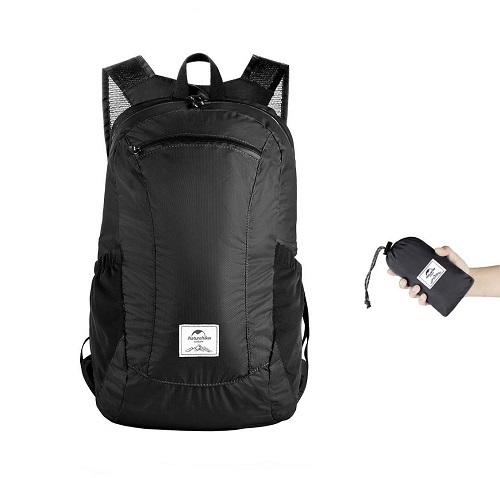
An essential element of a mountain expedition is a backpack, which allows you to pack all the necessary things and help you transport them efficiently and keep them safe. Its ability must be chosen on the basis of the nature and duration of the excursion, the necessary equipment and your physical conditions. You can choose between the following:
-
A trekking backpack with a capacity of 50-80 L is suitable for an excursion of several days (e.g. with a tent trip),
-
The climbing backpack with a capacity of 40-55 liters, with pegs, trekking sticks and a headphones pocket.
Avoid taking a backpack with the «backup» option. Each extra kilogram of loading in the mountains can lead to a less efficient march. Functional hiking backpacks, trekking or climbing, made with high quality materials, are found in the offer of producers renowned by equipment and outdoor dresses, such as: The North Face, Colombia, Black Diamond, Thule, Deuter or Orthovox.
The essential equipment in the mountains is:
-
An appropriate light source as a front lamp or a torch (with reserve batteries),
-
First aid kit (essential elements: bandages, sterile gauze, elastic bandage, knitted bandage, oxygenated water, thermal blanket, i.e. silver and golden emergency covered, small scissors, single use gloves, current analgesics and medicines),
-
A Thermos travel bottle to store drinks at the right temperature).
Especially in summer, don’t forget UV sun protection and mosquito repellent and ticks.
In winter, for more difficult paths, you will need:
An important gadget in mountain equipment, although it may seem obsolete to some, is a traditional tourist map (preferably laminated to protect paper or breakage) and a compass. These should be brought with you if the defects of the GPS equipment or lose its scope. In addition, the use of a map on the phone will quickly consume the battery, which is essential when you want to ask for help, for example. To avoid this, equipped with a power bank that can load not only the phone, but also the sports clock or the excursion system.
For mountain excursions it will be useful:
-
A gym to surprise your most important moments (e.g. from the inst360 brand with two goals: 4k and 360 °),
-
Tourist navigation with integrated hiking route for a good orientation, especially in difficult weather conditions or on unknown routes (e.g. Garmin equipment),
-
A sports watch for smartwatch for monitoring the operating parameters, such as the time of excursions, the distance, the number of passages, the heart rate, the calories and the addition of an altimeter, barometer or storm warnings (for example, it is worth considering smartwatch watches from brands such as Polar, Garmin, Suunto or Wahoo).
Both summer and winter, you must have sunglasses with UV filter (it is good to block UVA and UVB rays), which protects the eyes from their harmful effects (the snow reflects about 80% of UV radiation). It is recommended to take a carrim (which can be used as a chair or as a backpack), trekking sticks and a multifunctional knife.
latest posts published
Explore Lyon’s traboules with mobile applications

Caravaning in Lyon: where home?

First look: The Light Tent Taga

Review of the trekking pole – camping curtains
Brown friends and clean air: a camping guide

How to choose the camping hat?
The best bathroom points near Lyon camping
How to sleep well when you are camping?

Kitchen equipment for camping