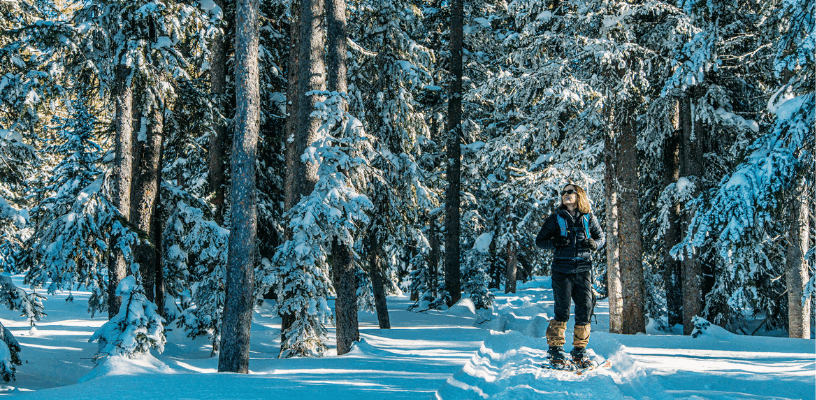
Going or running on the mountains in wet footwear and socks, in which small pebbles or sand, is not only unpleasant, but can also end with unpleasant abrasions and colds. You can prevent it by putting your parasites, or an additional layer of protection for footwear and pants, which are suitable for winter, the dissolution of spring and autumn snow. We explain to you what exactly the parasites are, when and why you should use them and what to pay attention when you buy protection for your mountain or racing shoes.
Parasites or guards are «sleeves» of textile material that covers the upper part of the footwear, ankles and the bottom of the legs. Usually, they extend from the footwear sole to the center of the leg, but also exist in short versions (above the ankle) and which imitates the socks for the knees. The name of the girl is taken by the French and refers to the «Stop Tout» expression, which translates into «stopping everything».
Their main purpose is to protect footwear, snow, pebbles, sand, thorns, mud or other debris, covering the space between the pants and the upper part of the footwear. Therefore, the legs remain dry and clean even in very difficult conditions. The purpose of the protection is also to protect the legs, ankles and gambling of scratches or abrasions, and the clothing and footwear of mechanical deterioration and destruction.
Parasites seem like a sleeve with a cycle attached to one end, designed to be easily hung under the heel of the footwear. The upper part of the protectors is wrapped around the ankle or leg. Parasites can be fixed with velcro or zipper and usually have strings to adjust the width and length, which allows them to be better about and keep the humidity outside during the outside, the snow, rain or pole. Parasiers can also have a rope for the laces, so that the laces can be linked to the protections to wrap even more closely around footwear and pants. Generally, protectors for mountain footwear or running have an entrance to the closing system, passes along the tibia, which makes their positioning and their removal.
Parasions for footwear are perfect for hiking near or through muddy, snow or humid areas. It may be necessary to cross a river or scroll on the route, cross a wet lawn or snowy slopes. You should wear them with you when you go for a walk, during the excursions, to lift mountains or run during the rain or after the rain. The ghertus is an equipment for external activities that you can use in dry conditions, for example when you go or run on a sandy land, pebbles or on a land with many insects and cockroaches (for example, ticks). Protectors can also be useful in background ski or skiing, in which case they are completely waterproof. They are also used by hunters and soldiers.
Parasier are generally divided into three categories: trekking, climbing and background (path)But you will find on the market and models dedicated to cycling or cross -country skiing. The types and uses are closely related to their length. Low parasites Until the ankle is mainly designed to run on the route or for free time excursions, where the aim is to keep the stones and the others dirty away from footwear and feet. The medium length model in the center of the leg is the solution for not too difficult conditions, in which it is necessary to protect dirt and rain. The version with knee socks is dedicated to extreme weather conditions, such as excursions through the snow trojans, the wet markers, etc.
The defendants of the trekking
They stand out for their easy and breathable construction and offer basic protection during moderate weather activities. Some models are completely waterproof and protect from rain and snow. Parasias Tourist They are often multifunctional and are used for anything, from short short -term excursions to several days with the backpack, where it is often not possible to dry the socks and footwear at the end of the day.
Alpinism parasites
It offers excellent protection and, due to the primaloft® isolation, it provides an additional level of insulation during longer mountain shipments. Most of them are made of waterproof and breathable Gore-Tex®, which protects from rain and snow. In addition to mountaineering, they can be used to climb ice, alpine skiing, cross -country skiing or snow missiles. They can also be supplied with the rupture of Cordura®, usually inserted inside, which reduces the risk of clothes damage when wearing cramps, for example.
The parasites of the race
On the route are generally very light, breathable and compact protectors, which are initially designed to protect footwear and the entrance of pebbles, branches or other discomfort materials that can cause abrasions and blisters. They will also protect you from mosquitoes, ticks and other insects. Usually they are not waterproof.
It is essential to find the right size of parasites: if they are too large or too small, they will not properly protect you from water, dirty, snow or branches. To correctly combine the protection of footwear, consult the manufacturer’s size table and choose a model that corresponds to your size. When you try them, be careful how well this item of clothing is suitable for your footwear. There must be no free areas or spaces through which to penetrate humidity and dirt. Pay attention to the way the parasites adapt to the legs and legs: they should not be too tight in order not to limit circulation. In addition, the lower hem must strictly combine with the shoe: you shouldn’t be able to easily put your finger in protection. In the case of correctly mounted parasites, the belt buckle will be on the footwear side, not below.
In order for the guards to satisfy their purpose, they shouldn’t just have the right size. When choosing the protection of shoes, pay attention to these aspects:
- length – adapt it to the physical activity carried out and individual preferences;
- materialal – More commonly, parasites are made of resistant, waterproof and abrasion resistant, such as polyester or nylon. They can also be covered with a durable hydro-fiver finish (DWR) applied to the external layer of the fabric or may have a waterproof and breathable membrane (such as Gore-Tex®). Some models may also include elastic and flexible softshell or can be covered by a mosquito and other insects (e.g. models used in tropical areas);
- adjust the length and circumference – The adjustable velcro, the belts or tightening devices under the knees and the elastic straps facilitate the tightening or weakening, reduction or lengthening of this article based on the needs and avoiding for example;
- Fixing points – The best option will be the metal components that will not be used or break. Pay attention to the metatarsal belts: they must be resistant and wear resistant and easy to replace;
- weight – Try to choose easy models, especially if you take a journey of several days, but also taking into account the land and weather conditions.
The application of parasites is quite simple and intuitive, you just have to remember some things (be careful: the instructions are valid for most defenders, but some products may require different steps for their application):
- It must always be transported outside the pants and with the footwear installed;
- Make sure the adjustment mechanism is outside the shoe. In this way you will know if you put protection on the correct leg;
- The defenders break and ensure that the tightening belt is coupled at the bottom, on both sides;
- The Velcrocus must always be straightened before. Open the velcro and put the foot in the protector and the shoes in the tightening belt. Capture the velcro and fix the top of the protective device on the foot and on the bottom on the shoes;
- Lift the heel and play the grip under the foot, in front of the heel;
- He begins to capture the parasites and with the help of adjustable blocks, regulates them so that they do not slip away from the feet and do not cause discomfort;
- In parasites with laces hooks, try to hang the laces as low as possible.
Important: always check the technical conditions of the parasites before using them. Especially all belts, regulation mechanisms and hinges must be in good condition.
The protection of shoes does not require complicated maintenance, but it is worth taking into consideration some things that will help you maintain the appearance and operation for a long time. After each use, check carefully if the fixing elements are dirty, mud, etc. Delete the dirt with a brush with thin bristles. For the hardest dirt, drying from the external surface with a cloth soaked in hot water. Let them dry in a ventilated place. Avoid brushing them in a washing machine or dry them on a radiator: it can damage them. To refresh the hydrophobic properties of the sketches, you can spray them with an impregnation agent.
The Garrets represent the perfect protection for legs, footwear and clothes against humidity, dirt or damage, being suitable for rainy days, to walk on muddy or snowy, but also on dry soil, full of stones or bushes. It is better to choose the type of parasites based on the form of physical activity and the weather and terrestrial conditions you expect. It is not necessary to wear them during a training for excursions or running, but it is good to keep them at hand (in the pocket pockets or jacket, in the backpack, etc.), to exploit their functionality if the conditions change. In the Sports Sports Shop.ro, you will find
the ghettos
Trekking, tourists and high quality, from better companies, such as: Climbing technology, Rab, Salewa, Salomon, Sea to Summit, Tatonka Sau Viking.
latest posts published
Explore Lyon’s traboules with mobile applications

Caravaning in Lyon: where home?

First look: The Light Tent Taga

Review of the trekking pole – camping curtains
Brown friends and clean air: a camping guide

How to choose the camping hat?
The best bathroom points near Lyon camping
How to sleep well when you are camping?

Kitchen equipment for camping