In the free air, the factors in the external environment will influence the dedicated comfort. So how can you let you sleep comfortably? Take into account the following points.
- Far from worst environments
- Sufficient clothing
- Satiety
- Heating
- Completely waterproof
Far from worst environments
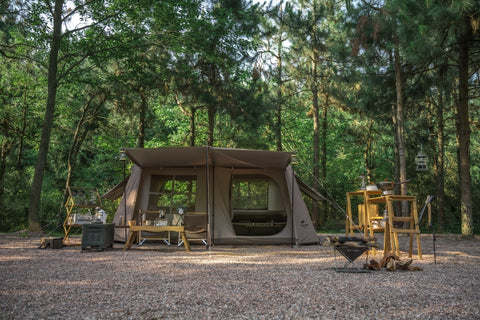
A tent placed in a comfortable place can add about 30 degrees to the temperature.
Do not choose to camp on the bottom of a stream, because the bottom of the stream is the place where the cold air is collected and not to camp on the crest line. Choose the side under the wind or forest, use a sleeping bag or use or dig a snow hole.
Sufficient clothing
Preferably a hat. Because half of the thermal energy of the body is dissipated from the head.
In addition, the mountain guides said that if you don’t sleep with all your clothes on you, it means you wear too many.
Staying Warm While Camping in Cold Weather
Maintaining your body temperature is one of the most important aspects of safe and enjoyable camping, especially during autumn, winter, or high-altitude adventures. Even the best sleeping bag cannot compensate for poor campsite selection or inadequate clothing. By understanding how heat is lost and taking a few preventive measures, you can stay warm throughout the night and wake up feeling rested instead of exhausted.
Choosing the right campsite is the first step toward a comfortable night’s sleep. Cold air naturally settles in low-lying areas such as valleys, stream beds, and depressions in the landscape. Setting up your tent in these locations can expose you to significantly lower nighttime temperatures. Instead, look for slightly elevated ground that remains sheltered from strong winds. Natural barriers such as trees, large rocks, or hillsides can provide additional protection while reducing the effects of cold gusts that quickly remove body heat.
Proper insulation from the ground is equally important. The earth absorbs body heat throughout the night, so sleeping directly on cold ground can leave you feeling chilled even inside a warm sleeping bag. Using a high-quality sleeping pad or insulated air mattress creates a barrier that minimizes heat loss and greatly improves sleeping comfort. During snowy conditions, experienced campers may also compact the snow before pitching their tent to create a more stable and insulated surface.
Dress Smart Before Going to Sleep
Your clothing choices play a major role in staying warm overnight. Layering is generally more effective than wearing one bulky garment, as multiple layers trap warm air while allowing moisture to escape. Thermal base layers, insulated mid-layers, warm socks, and a lightweight fleece are excellent choices for sleeping in cold conditions. Avoid wearing damp clothing inside your sleeping bag, since moisture dramatically reduces insulation and can make you feel much colder during the night.
A warm hat is one of the simplest yet most effective pieces of cold-weather gear. Since the head is often exposed, covering it helps retain body heat and improves overall comfort. Gloves or insulated liners can also be useful if temperatures drop significantly after sunset.
Before going to bed, eating a warm meal and drinking a hot beverage can help your body generate additional heat. Staying hydrated is equally important, as dehydration reduces your body’s ability to regulate temperature effectively. However, avoid consuming excessive alcohol before sleeping, as it creates a temporary sensation of warmth while actually increasing heat loss.
Finally, remember that staying warm is about combining several good habits rather than relying on a single piece of equipment. Selecting a protected campsite, using proper ground insulation, wearing appropriate clothing, and maintaining your body’s energy levels all work together to create a safe and comfortable camping experience, even when temperatures fall well below freezing.
Satiety
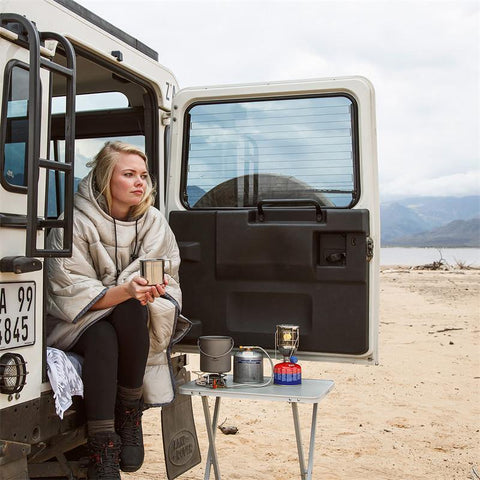
Foodis Fuel. Do not empty the stomach before going to bed, it is better to eat high calorie foods. At the same time, appropriate water is very important for the metabolic function of the body.
When you feel tired, you wake up thirst when you sleep or you want to drink, you have to drink more water.
The frequency of urination is about 4-5 times a day and the urine must preferably be transparent. If it is yellow, it means that the body is already dehydrated.
Heating
Not bury your sleepy tire after reaching the field. Eat a good and suitable dinner and hot drinks, take a walk before sleeping ■ Take as standard to not sweat, heat the body and then sleep well.
The thickness of the sleeping bag: the sleeping bag does not heat or warm up itself, but slows down or reduces the heat of the body (the best way is that the body consumes more heat).
Since the new sleeping bag is crowded too long in the sleeping bag, if used for the first time, the volume will be slightly larger and will not be quite hot. It is better to extend the sleeping bag after mounted the curtain to make it soft. The longer the time, the better is sleep, which is quite bulky and comfortable.
Complete waterproof
A damp bed bed can be overwhelmed and uncomfortable. If a waterproof bag is not available, it uses a large garbage bag. Keep the outer curtain or the angle of the internal curtain away from the sleeping bag.
In case of bad weather, the internal curtain will collect drops of water, so that the windows of the curtain are slightly open to allow the curtain to ventilate. When the rain ends, the sleeping bag can be removed and dry and, if it snows, it can be scattered directly in the curtain.
Conclusion
In conclusion, choosing the right location and using appropriate techniques can make a significant difference in the overall comfort and safety of any camping experience. As mentioned, simply placing a tent in a sheltered and comfortable spot can increase the internal temperature by as much as 30 degrees, demonstrating the powerful impact of location on warmth and survival. Understanding these principles allows campers to transform challenging environments into manageable and even enjoyable adventures.
Equally important is the awareness of where not to camp. Setting up a tent at the bottom of a stream or valley should be avoided, as these areas naturally collect cold air and moisture, creating conditions that can quickly become uncomfortable or even hazardous. Likewise, camping directly on a crest line exposes campers to strong winds and temperature extremes. Instead, choosing the side of a hill that is protected from the wind or selecting a forested area offers natural insulation and reduces exposure to harsh elements.
Additional techniques, such as using a sleeping bag appropriate for the weather, or digging a snow hole in colder environments, further enhance warmth and safety. These methods emphasize the importance of preparation and adaptability, two essential skills for anyone spending time outdoors. With proper planning, even extreme conditions can be mitigated, allowing campers to maintain comfort and rest effectively.
Ultimately, camping success is not defined solely by equipment but also by knowledge and decision-making. The ability to evaluate the terrain, anticipate environmental changes, and apply practical survival strategies ensures that each trip is both safe and rewarding. By combining thoughtful campsite selection with proper gear and protective measures, campers can confidently face the elements and fully enjoy the unique beauty and challenges that nature offers.
latest posts published

Explore Lyon’s traboules with mobile applications

Caravaning in Lyon: where home?

First look: The Light Tent Taga

Review of the trekking pole – camping curtains
Brown friends and clean air: a camping guide

How to choose the camping hat?
The best bathroom points near Lyon camping
How to sleep well when you are camping?

Kitchen equipment for camping