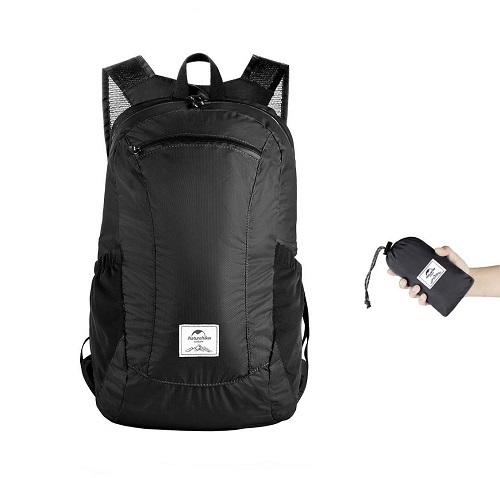

Outdoor activities such as excursions,camping AND mountaineeringThey are exhausting for people, so we have to restore our food in time to provide energy to our body. So what kind of food should we pack for our outdoor activities? The reasonable preparation and distribution of food is important for outdoor activities.
What kind of food for outdoor activities to bring?
- High heat foods: the same amount of heat, lower weight
- Foods that feel full, make the human body more comfortable
- Food that quickly absorb the body
The six essential nutrients
Carbohydrate,protein,Fat,vitamins,MINERALANDwaterfallThese are the six essential nutrients necessary for the correct functioning of the body.
The six nutrients,carbohydratesIt provides energy more and faster than proteins and fats and are easy to digest. Therefore, the main supplement are carbohydrates, mainly from cereal foods. 100 grams of dried cereals can provide 300-350 calories. 200 grams per day, i.e. 100 grams of rice/ noodle on the table (in the morning and in the evening). 100 grams of rice (half a bowl) can make a bowl and a half of rice.
Dried fruit
Dried fruitsThey have a high oil content and a much higher calorie density than cereals, which makes them ideal for snacks (rest), 50-100 g per day. Calories for 100 g: 670 calories for pine walnuts, 620 calories for nuts, 600 calories for peanuts, 600 calories for sunflower nuts, 590 calories for anachdi, 580 calories for peanuts, 520 calories for almonds and 350 calories per chestnut.
Dried fruits They are rich in sugar and have almost the same amount of cereal calories. They are also suitable as snacks, 50-100 g per day. Dry cable 350 calories, raisins 340 calories, dried fruit 330 calories.
High protein
Articles with high protein content I include dry beef 550 calories, powdered milk 480 calories, 440 calories, soy milk 420 calories, dry fish 300 calories and dried prawns 250 calories. 100 g per day (at noon).
Dry fish and prawns have a low calorie value because they contain little fat and are almost only proteins.
High in calories in dietary fiber, dehydrated vegetables 44 calories of the dry valley, 23 calories of dry algae and 20 calories of dry green vegetables are recommended. All these are immersed in boiled water and can be consumed.
Ex. A one -day meal
- Breakfast:4 sashimi (200g) 648 calories, 50 g of black sesame 200 calories
- Lunch:100 g of shots 550 calories, 100 g of flat bread 295 calories
- Dinner:150 g of rice 525 calories, 100 g of beef 550 calories, 200 g of vegetables 50 calories
- Snacks-AURI: 100 g of raisins 276 calories, 100 g of chocolate 586 calories.
- Total calories:3,630
We can pack more calories and light foods, as a chocolate hinge and raisins!
Naturehike with folding portable barbecue grille plate

How much food do you take?
It has been calculated that the maximum number of calories that a person can burn a day during excursions is about 4,000 calories, on which it is not possible to easily recover extreme fatigue and physical strength. Therefore, in outdoor hiking activities, we should reasonably organize the intensity and time of the daily trip, so that, after a night of rest, the body can quickly recover in good condition and therefore continue the journey of the following day.
So, depending on the number of days and the duration of the trip, it determines how many calories we should transport! We should make a food distribution list for the early trip!
How to eat outdoor food?
How many meals should you eat during the excursions? How many times should you eat meals?
We should eat less, but more meals to maintain a constant contribution of energy and avoid the fullness caused by the stomach. Some dried fruits, biscuits, a banana during excursions.
What are carbohydrates of outdoor food?
Rais, bread (including Chinese noodles), potatoes, bananas and so on are rich in complex carbohydrates. Cancelle, glucose powder, glucose or other sugary drinks are rich in simple carbohydrates.
What carbohydrates do us good when we travel outdoors?
Simple carbohydrates, such as glucose drinks, are easily ingested and can be absorbed quickly. Therefore, energy can be injected quickly into the body. However, after the rapid absorption of glucose, the human body can be stimulated and can secrete too much insulin, leading to reactive hypoglycaemia. Consequently, people who hoped to increase their energy level with a glucose drink can, on the other hand, have a decrease in blood sugar and energy level.
A way to prevent reactive hypoglycaemia is to eat very large quantities of simple carbohydrates. However, this approach is not healthy. Another way is to eat a mixture of simple and complex carbohydrates. When the body lacks energy, sometimes it is okay to eat candies or drink glucose drinks, but then you should eat foods such as rice, pasta or bread.
In addition to carbohydrates, what other foods can we eat outdoors?
Fatty foodsORFatit should be avoided
fatIt is a slow release of energy, insufficient to meet the needs of an excursion. In addition, when fats and other foods are present at the same time in the stomach, the digestion process slows down and the food absorption rate slows down.
It doesn’t matter what we eat, if it is not absorbed by the body, we cannot use its energy. The fat trapped in the stomach together with other foods can give us an unpleasant feeling of satiety.
Some begin to climb the mountains after a large meal and vomit during the rise. As for proteins (meat, etc.), although it adds the aroma to food, it does not help to maintain the excursionist’s energy balance. It also slows down digestion in the stomach, although not as much as fat. Therefore, eat a little or no meat during outdoor excursions and so on.
6 tips for outdoor food
- Don’t eat too much
- Libra water and salt
- Try not to drink frozen water
- Do not eat too much meat
- Light, don’t eat spicy foods
Don’t eat too much
When you are outdoors, it is not advisable to eat too much, especially during lunch. Eating too much will not only bring a weight to the stomach, but will also make people feel easily tired, so that exercise is not good. It is recommended to be full of 80%.
Rendered after the meal, do not immediately continue the journey.
The exercise immediately after the meal is not only an evil for the intestine and the stomach, but also easy to cause side seams. You can stay on the spot for a while and wait for digestion to continue.
Balanceing water and salt
It is important to balance water and salt outdoors. During outdoor exercises, especially in summer, the body releases many sweating and electrolytes, which can easily cause muscle cramps.
The salt in moderation can help restore body electrolytes. But it also pays attention to the right quantity, too salt, it will cause thirst, the consumption of drinking water too quickly, increases the burden of the heart, kidneys, stomach.

Try not to drink frozen water
Drinking water with ice immediately after external activities can irritate the stomach and intestine and cause indigestibles. In the wild environment, any physical discomfort can be a risk, so don’t drink frozen water immediately after the exhausted activities, even if you are intolerably hot!
Do not eat too much meat
It doesn’t matter when eating in outdoor sports, it is not advisable to eat too much meat. After exercising, the body will produce many lactic acids, causing a feeling of fatigue. Eating too much meat is not easy to improve the feeling of fatigue, but it will aggravate the degree of body pain.
Some begin to climb the mountains after a large meal and vomit during the rise. As for proteins (meat, etc.), although it adds flavor to food, it does not help to maintain the energy balance of the hiking. It also slows down digestion in the stomach, although not as much as fat. Therefore, eat a little or no meat during outdoor excursions and so on.
Proteins must be added first and the meat should be added after a rest period! Add vegetables, fruit and nuts to neutralize the acid.
Naturehike Titanium Legato Camping Fire Grill

Do not eat spicy external foods
Excessive powerful foods can also load the intestine and the stomach, cause the exposure. When it comes to eating outdoors, nutrition, energy and portability they are the main considerations.
Summize
So this article helps you know how to choose and bring outdoor food. The correct preparation of external foods can not only save time, but also increase your outdoor experience.
latest posts published
Explore Lyon’s traboules with mobile applications

Caravaning in Lyon: where home?

First look: The Light Tent Taga

Review of the trekking pole – camping curtains
Brown friends and clean air: a camping guide

How to choose the camping hat?
The best bathroom points near Lyon camping
How to sleep well when you are camping?

Kitchen equipment for camping