
The changing and unpredictable climate from the mountain makes it difficult to invent a suitable dress. We suggest you what the right outfit is for the mountain, depending on the season and weather conditions and because it is important to dress in what is called the «onion» style.
A Norwegian maximum says that: there is no bad weather, but only inappropriate clothes. We cannot change the first aspect, but the way we dress in the mountains in order not to be caught by surprise is already under our control, so it is worth approaching the subject with particular attention.
The adequately chosen clothing in the mountains is not only a guarantee of comfort and freedom of movement during excursions, even in extreme conditions and the possibility of exploring new places, but also taking care of your health and safety. When choosing external clothes for a trip, it is worth paying attention to the material from which a certain piece of clothing has been produced and if it has properties such as thermoactivity, waterproofing or water resistance, damage to damage such as abrasion and breakage. The functionality is of great importance, which has improved by clothing from excursions using innovative technologies and solutions that allow optimal adaptation to the needs of mountain lovers at any level.
Material
Despite the long list of advantages of cotton, when it comes to mountain shipments it is better to give up cotton clothes. Why? The material quickly absorbs humidity and cannot remove it, it needs a lot of time to dry. Consequently, the tissue attacks the body, causing discomfort and cold. In the cold, a cotton shirt, trousers or socks can even freeze. It is even better to leave denim or acrylic dresses for more random outputs.
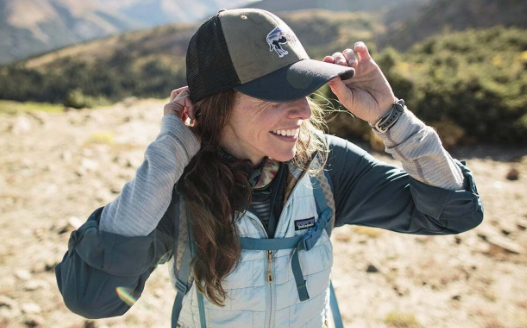
For mountain shipments, opt for trekking clothing and sportsmen made with synthetic fabrics (for example polyamide, polyester), natural merino wool, batteries, hydrophobic or Gore-Tex® membranes.
Thermoactivitate
«Breathable» clothing is a guarantee of maintaining adequate thermal comfort. Thanks to its high breathable character, it guarantees optimal circulation of the air and removes the humidity of the skin, so that the material dry quickly and does not stick to the body. This reduces the risk of cooling or overheating. The elastic fabric does not limit the movement. The thermoactive clothing is generally made in a combination of polyester, nylon (also known as Poliamemide) and elastano (different proportions are used). Winter models use merino wool.
TECHNOLOGY
One of the elementary technologies used in trekking clothing is the Gore-Tex® membrane, which prevents the passage of water particles through the material and also guarantees the absorption of humidity and thermal comfort. Mountain clothing are generally equipped with technologies that improve breathability and drying speed (for example, dry technology, termulitis) and eliminate smells (for example, coolmax or silver ions). In the case of external jackets, synthetic isolation is used, which works similarly to natural fluff to effectively isolate the body from adverse weather conditions. Hardshells are supported by solutions such as The Texapore (Jack Wolfkin Brand), which guarantees breathability, waterproofing and wind resistance. Another technology used in the case of sweater and type jackets is the impregnation of DWR, which prevents the absorption of humidity by the external layer of the material.
The application of the principle of stratified clothing, popularly known as «onion clothing», allows you to react and adapt your outfit to continuous weather conditions. It is worth remembering that the situation is different at the beginning of an excursion to the mountains, where it can be warm and wind, and quite different in terms of temperature that we will try at the top, when we cross the forest, on exposed portions or on a sunny slope. In addition, the approach requires more effort than the descent. Your body is more heated, sweat faster, and this, together with the exposure to the wind and an inappropriate dress, which leads to a constant stripping, closing the zipper, etc., is the first step towards cooling the body and, finally, in the cold. By wearing or transporting several independent layers of clothing of different thicknesses, you can freely manipulate the way you are dressed.
A basic mountain dress should consist of 3 layers:
- First layer, so -called basic layerIt is represented by thermal underwear, i.e. a shirt, shirt, leggings, leggings, pants, pants, sporty or short bra per summer and thicker models for winter and for the transition period. The narrow tailor offers freedom of movement and allows you to put on another layer of clothing;
- the second layer or the intermediate levelIt is composed of trekking blouses, elastic blouses, hybrid blouses, batteries or synthetic fill jackets;
- The third layerOr the upper layer, it is a rain jacket, Softshell, hard or a hands jacket, depending on the season.
During the transition period, a mountain outfit should be composed of:
- thermo-actual underwear/T-shirt,
- medium trousers -long, type softshell type,
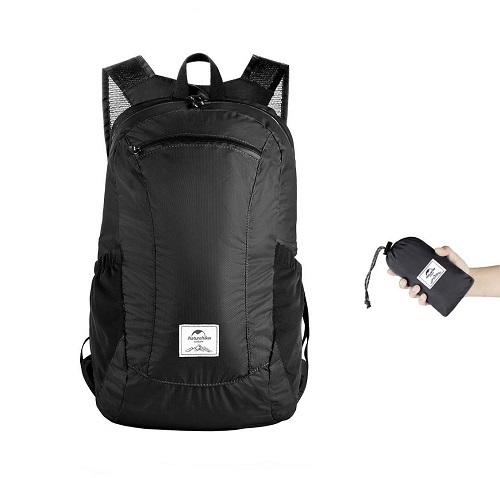
Depending on the temperature and conditions on the route, you can wear the first two layers and the third layer that you can put in the trekking backpack and you can dress it, for example, only during the peak approach.
How to dress for the mountains in summer? The right kit should include:
- a T -TRA TRA TRA TRA TRI AT A ACTIMATIVE BULL;
- Trekking shorts or thin thin type pants with long and removable legs.
It is also a good idea to have a thin rain jacket in the backpack, in case of torrential rain or storm.
Fill the outfit for mountain excursions in winter, when the snow awaits you, the cold wind and low temperatures, it must be based on articles such as:
- In thermoactive underwear with a greater weight or additional isolation (for example, a t shirt and a long -sleeved suit or a suit -shaped suit to prevent the fabric from running on the back or sleeves/trousers when you put another layer);
- Hiking trousers isolated with Windstopper or a combination of leggings/thermal drops with thin softhell trousers;
- Winter jacket for excursions or tough with the flue filling.
A versatile complement of mountain clothing is the multifunctional scarf, which, depending on the season, can be used as a hat, cap, mask, strip, hood, bandan, scarf, banner, wrist bracelet or even elastic hair.
Another base for trekking clothing are trekking socks made with synthetic materials, bamboo fiber or natural wool (for example Merino), which effectively eliminate humidity, maintain optimal thermal conditions and reduce the risk of irritation or blisters. It is worth choosing those with silver ions, as they help to eliminate the unpleasant smell created after a day of excursions. Choose the socks according to the following principle: the colder, the more thick the models on the feet and vice versa. During the transition period and in winter, it is worth buying fabric boots, that is, fabric protections that protect the feet and dirt or humidity trousers.
During the transition period and in winter, gloves are useful. The sunglasses with UVA and UVB filters are a good idea to wear both summer and winter. The snow reflects the strongest light that, for example, the wet surfaces, which makes the eyes more exposed to the harmful rays of the sun. It is recommended to choose polarized glasses, which better spread the light.
The winter outfit in the mountains must be completed with cramps or baskets or seeds -automatic, which will allow you to secure the snowy routes. For excursions, snow missiles will be useful, allowing you to browse the dust without sinking too much.
You already know how to dress for the mountain in summer, winter and during the transition period, so as not to be prevented by a sudden change of time. So see our article:
What to take in the mountains
In which you will discover which equipment and footwear bring with you on hiking routes, in order to be completely prepared for mountain challenges, that you are an excursion for leisure or expert.
latest posts published
Explore Lyon’s traboules with mobile applications

Caravaning in Lyon: where home?

First look: The Light Tent Taga

Review of the trekking pole – camping curtains
Brown friends and clean air: a camping guide

How to choose the camping hat?
The best bathroom points near Lyon camping
How to sleep well when you are camping?

Kitchen equipment for camping