Camping advice recommended by professionals can help you avoid some problems during the field!
More people like to go to the campsite, excursions or other outdoor activities. The return to natural life can help people reduce high pressure, enjoy clean air.
These four ways to help you increase the camping experience.
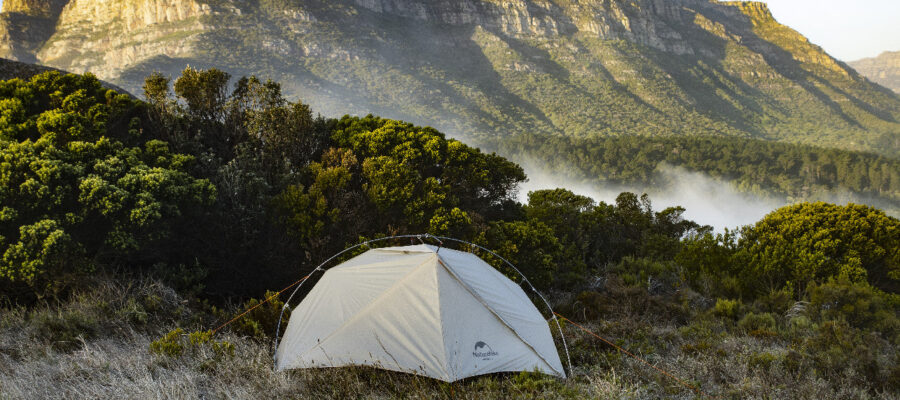
1. Rain season The campsite in the rainy season should be far from valleys and rivers. This does not mean distance, but height. If you install a curtain near the river during the rainy season, the vertical height should be at least 1.5 meters above the surface of the water. In case of strong rain, move immediately.
2. High Mountain
The campsite in the mountains must find a place under the wind. (The wind on the top of the mountain is very strong. On the one hand, the strong wind will damage the curtain. On the other hand, the low temperature created by the strong wind and the high altitude can make people fresh.
Professional Camping Tips for a Safer Outdoor Experience
Camping is one of the best ways to disconnect from daily routines and reconnect with nature. Whether you’re spending a weekend in the mountains, exploring national parks, or enjoying a peaceful lakeside campsite, proper preparation can make the difference between a memorable adventure and an uncomfortable experience. Experienced campers know that choosing the right campsite and understanding the environment are just as important as bringing quality equipment.
Choose Your Campsite Carefully
One of the most important camping rules is selecting a safe location before setting up your tent. During the rainy season, avoid camping in valleys, dry riverbeds, or areas close to streams that can flood rapidly after heavy rainfall. Even if the weather appears calm, water levels can rise quickly following storms in nearby mountains. Whenever possible, choose higher ground and keep your campsite at least 1.5 meters above the normal water level. If heavy rain begins or flooding becomes a possibility, relocate immediately rather than waiting for conditions to worsen.
Mountain camping also requires careful planning. Although camping on a summit may offer spectacular views, exposed ridges are often subject to strong winds and rapidly changing weather conditions. Powerful gusts can damage tents, make cooking difficult, and significantly reduce the temperature through wind chill. Instead, look for naturally sheltered areas on the leeward side of hills, behind large rocks, or near groups of trees where the wind is less intense. These locations provide a more comfortable and secure environment for spending the night.
Weather forecasts should always be checked before leaving home, but remember that mountain weather can change much faster than conditions at lower elevations. Carry waterproof clothing, extra insulating layers, and emergency supplies even if sunshine is expected. Being prepared for unexpected rain or cold temperatures can greatly improve both comfort and safety.
Another useful habit is arriving at your campsite well before sunset. Setting up your tent in daylight allows you to inspect the ground for rocks, roots, uneven surfaces, or potential hazards that may not be visible after dark. It also gives you enough time to organize your equipment, prepare dinner, and become familiar with your surroundings before nightfall.
Respecting nature is equally important during every camping trip. Follow the Leave No Trace principles by collecting all of your rubbish, minimizing campfire impact where fires are permitted, and avoiding damage to vegetation. Staying on established trails and using designated campsites helps preserve natural habitats while ensuring future visitors can enjoy the same beautiful landscapes.
Finally, always let someone know your travel plans before heading into remote areas. Sharing your intended route, campsite location, and expected return date provides an extra layer of safety in case of emergencies. Combined with proper planning, suitable equipment, and good campsite selection, these professional camping practices will help you enjoy safer, more comfortable, and more rewarding outdoor adventures throughout the year.
3. Beach
Attention to the tide level when you camp on the beach. When you camp on the beach, it is better not to camp directly on the beach. If you want to camp on the beach, pay attention to the traces of the water of the coral reef next to and note if the sand is completely dry.
4. SA
Sand camping must use special land nails. (Order the nails of the soil cannot be used to fix the curtain in the sand, so it is necessary to use special nails of the soil with elongated hooks and barbeds).

2. Equestations
1. The elements must be kept correctly, preferably in a narrow container. (Especially in the jungle, be careful that the smell of food does not attract carnivores)
2. Prepare enough dry food, clean water and medical supplies, do not cook things in the curtain.
3.haine
. If the clothes are wide, you can tie your legs and cuffs.
2. Put the anti -slip shoes that adapt to the feet. When you feel pain in the foot plant, it quickly place a small piece of medical or patch on the painful area to prevent the formation of blisters.
4. AutoParation
1. Fold the knife around and the torch around. When you camouflage yourself at night, be sure to put the knife and a torch into the curtain at hand. If you have an emergency, you can cut the tent to escape. If you meet a beast, at least there is a tool to resist.
2
3. When you wake up in the morning, open the tent door and notice it first. Do not directly lengthen the legs to avoid being bitten by poisonous snakes and insects.
If you want to discover more professional camping skills or other camping products, focus on our blog or follow us on Facebook, Twitter! We will update in time.
Conclusion
In conclusion, professional camping advice can significantly enhance the outdoor experience by helping campers avoid common problems and prepare adequately for various situations. Whether you are going to a campsite, embarking on an excursion, or participating in other outdoor activities, understanding best practices ensures safety, comfort, and a more enjoyable adventure. Guidance from experienced outdoor enthusiasts provides insights into equipment selection, campsite setup, food preparation, weather considerations, and emergency planning, allowing both beginners and seasoned campers to make informed decisions.
Camping and outdoor activities offer more than just recreation—they provide a valuable opportunity to reconnect with nature. Spending time in natural environments can reduce stress, lower mental pressure, and promote a sense of calm and well-being. Fresh air, open spaces, and the soothing sounds of nature contribute to relaxation and mental rejuvenation, helping participants temporarily disconnect from the fast-paced demands of modern life.
Moreover, engaging in outdoor activities fosters physical health and personal growth. Hiking, setting up a tent, or exploring trails improves endurance, strength, and problem-solving skills, while also encouraging teamwork and social interaction when shared with family or friends.
Ultimately, combining professional advice with the inherent benefits of outdoor life creates a rewarding and fulfilling experience. By preparing properly and respecting the natural environment, campers can maximize safety and enjoyment while embracing the beauty and tranquility of nature. Whether for relaxation, adventure, or personal development, camping offers a holistic experience that nurtures both body and mind, leaving lasting memories and a renewed appreciation for the outdoors.
latest posts published

Explore Lyon’s traboules with mobile applications

Caravaning in Lyon: where home?

First look: The Light Tent Taga

Review of the trekking pole – camping curtains
Brown friends and clean air: a camping guide

How to choose the camping hat?
The best bathroom points near Lyon camping
How to sleep well when you are camping?

Kitchen equipment for camping