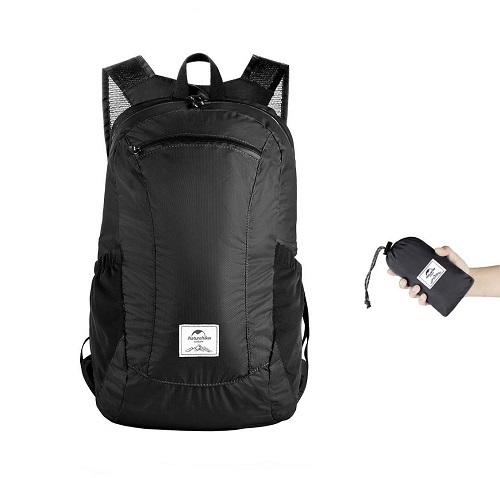
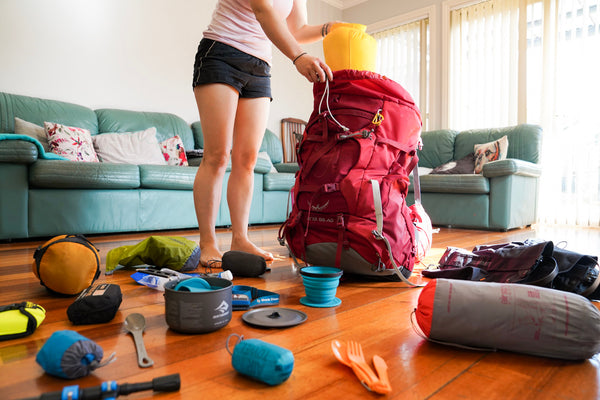
It depends on the environment, on your needs and your level of experience.
Runcarers can be divided into the following types:
Ultra-US backpacks:
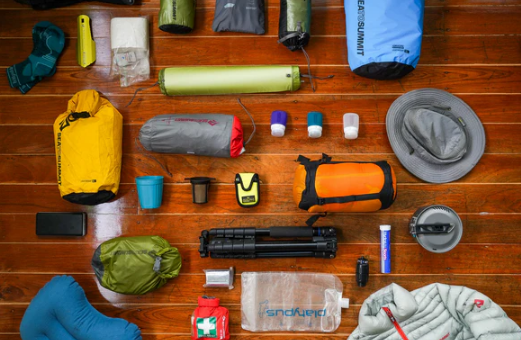
It is a real backpack, they are fast and light (less than 10 kg).
Using the reduction of the premium weight, their equipment is more expensive than others.
→ 60L+5L Multifunctional Mountain Bag with rain hood
Light Rucsacani:
By transporting more experiences of experience, they will choose to transport it easily, rather than transporting more than 20+kg of items and equipment.
→ Light external camping bag for camping
Ordinary backpack:
Usually, a hiking enthusiast or a hiker for beginners, the backpack weighs about 15 kg and is often too loaded.
However, we all know that, in any case, being able to reduce the load on the backpack will be easier and more fun for hikers and climbers.
5 tips to pack the backpack
- Safety
- Reduce non -essential articles
- Reduce the weight of the necessary articles
- Multifunctional articles
- Simple
1. Security
Lightweight has a basic background, or in any environment, it must be able to guarantee safety during the transport of a light load.
Touching an easy backpack requires some time, practice and mentality and it is not something that can be done quickly.
In fact, weight reduction should be a gradual process parallel to the correct improvement of the field skills of a hiker.
When you just started losing weight, it is better to be cautious than to bring only the essential elements, and over time you will learn because you can lose and why not.
2. Reduce non -essential objects
It is not always easy to distinguish between essential and non -essential elements and, practically, everything is reduced to experience, personal preferences and the hiking environment.
Before each trip, take a look at each piece of equipment in your bag and ask two questions:
- I need it?
- What happens if without it?
Hikers are often surprised by the number of excess articles that transport rather than the need.
3. Reduce the weight of needs
With the development of technology, lighter materials and innovative models make the outdoor products more resistant and lighter (for example curtains, sleeping bags, backpacks, sleep cushions), which have been reduced to a certain extent compared to the weight of the backpack.
Therefore, the replacement of old curtains, sleeping bags, backpacks, sleep cushions and other necessary equipment is the most obvious size for weight loss.
4. Multifunctional articles
Many objects in the backpack, such as sleeping mattresses, trekking and pot sticks, can be used for many purposes.
By improving the selection of multifunctional equipment, redundant or repetitive items can be reduced, thus reducing the total weight of the backpack.
5. Simple
Do not order in that fantasy and ostentatious equipment, any equipment must be practical and necessary, they are not luxurious and no fresh stage object.
Practical but simple equipment that save excess weight alone.
2. Reduce the weight of food and water
For hikers with light and ultra -Luce backpacks, the combined weight of food and water often exceeds the weight of the entire equipment they transport.
For example, five days of food would weigh about 4.5 kg, in addition to the water it would be even more.
So, when it comes to the weight of food and water, the questions that must ask the snow before leaving in nature are:
«How can I reduce the amount of food and water that transport without compromising my health and safety?»
Food
Ultra-erasers are a group of people who are worried about eating and ask for tasty, nutritious and healthy food, but packaged in a compact cuisine, easy and easy to cook.
From the point of view of weight loss, choose the food from the following prospects:
- High calorie foods
- Minimize food humidity content
- Less cooked = less weight
- Tampbulla
- Exit the house after eating
- Reasonable prepared foods
1. Food with high caloric content
High caloric foods have a higher energy/weight ratio and give you more calories.
Examples include assorted dried fruits, peanut butter, muesli, corn chips, cheese and some energizing sticks.
For normal road tables (i.e. every or two hours), choose rich foods both in carbohydrates and in fat.
2. Food humidity content minimize
The freeze -dried and dehydrated foods are light, portable and eliminate water without sacrificing the calorie value, which is a very effective way to lose weight.
But not all freeze -dried and dehydrated foods are the same and many freeze -dried and dehydrated products are highly elaborate and have a low or non -existing nutritional content.
Therefore, be sure to read the list of food ingredients before buying them and, if you choose to transport many of these products, consider their removal before leaving to save weight and space.
3. Less cooked = less weight
By limiting yourself to a meal cooked per day, you can reduce the amount of fuel you need to transport.
In a warm environment, you may also consider not cooking at all, in which case the stove and the stove will be eliminated, saving even more weight.
4. Famallata
Removal of the food possible before leaving to save weight, the additional packaging is equal to the additional weight and the less usable volume.
5. Follow the meal
The journey begins after a constant breakfast or lunch, which is equivalent to losing an extra meal.
6. Prepare reasonable food
When you take a 7 -day trip, it doesn’t matter how small your basic weight is, the backpack will be difficult.
However, over time, as food and fuel are consumed, your burden will gradually decrease.
Therefore, it eats the most difficult and moisturizing foods (such as fruit and vegetables) in the first days of the trip.
Waterfall
How to minimize the amount of water that transports without risking dehydration, consider the following six aspects:
- Make a plan
- Water for children in the morning
- Like a camel
- Cooked
- Time
- Experience
1. Create a plan
Be careful to plan the use of the water before starting on the road and always being aware of the position of the water source, the current state of your body and the amount of water left during the journey, so that you can minimize the need to transport large quantities of water for safety purposes.
2. Drinking water in the morning
Only half a wake -up is the habit of drinking water, faster you drink more water, the less water you will have to drink (and transport) later.
3. Like a camel
If you travel on the stress of water sources, drink a liter of water before leaving each source.
In this way you do not have to transport water until the next water charging point and also to allow you to return to the weight on the back
4. Kitchen
In a relatively water -free environment, be sure to eat the main meal in the water source so as not to have to bring extra water.
5. Time
In the context of water deficiency, she and the almost dark sun consider the entire activity during this afternoon.
You can reduce the dose because it rests rather than exercising in the hottest part of the day.
6. Experience
Port enough water to reach the next place with water
After having a lot of experience, you know how much water you need in different types of earth and conditions and not take too much weight on the backpack, except the water you transport for safety.
In any case, if you walk in an environment where you are not sure of the water source, you have to be careful, it is always wise to bring more water and demonstrate caution.
Submarize
So it’s like packing a backpack. The Ultra -Lime backpack makes fast and light excursions and reduces stress on the back, shoulders and feet.
Ultra -Lumpy backpacks do not simply reduce weight, but release so that they can go on, be more comfortable, cross a wider soil and see more.
latest posts published
Explore Lyon’s traboules with mobile applications

Caravaning in Lyon: where home?

First look: The Light Tent Taga

Review of the trekking pole – camping curtains
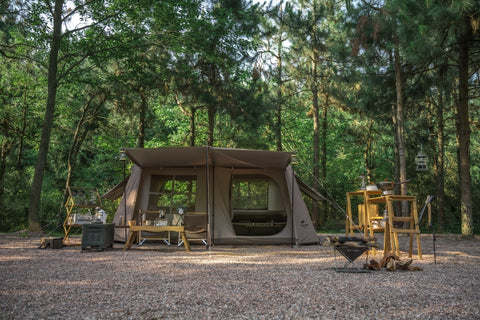
Brown friends and clean air: a camping guide

How to choose the camping hat?
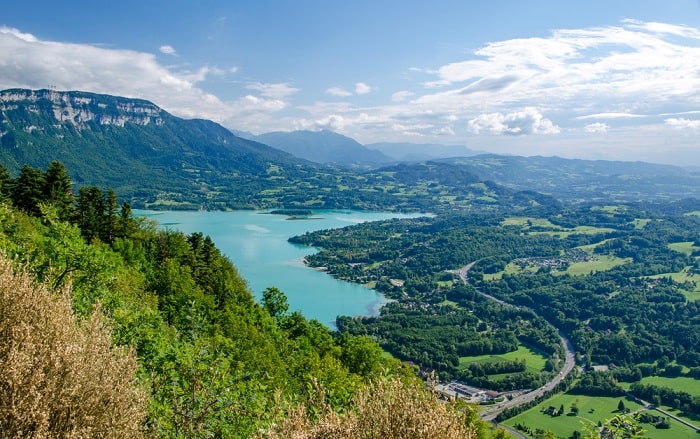
The best bathroom points near Lyon camping
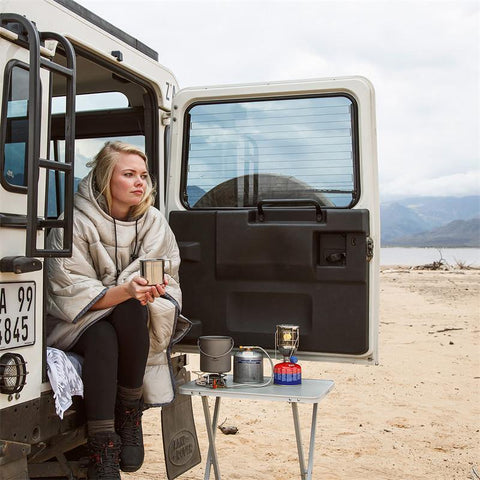
How to sleep well when you are camping?

Kitchen equipment for camping