For people who love outdoor activities, there is nothing to prevent them, even in rainy, snow or twenty days! But at the same time, we must also keep us safe when I back to my shoulder in the rain.
How to Stay Safe While Camping in Rainy Weather
Rain doesn’t have to ruin an outdoor adventure. In fact, many experienced campers continue to enjoy hiking, backpacking, and camping even when the weather is less than perfect. With proper preparation and the right equipment, you can stay dry, comfortable, and safe while exploring nature during rainy conditions. The key is to protect both yourself and your gear from moisture while remaining aware of potential weather hazards.
Essential Rain Gear for Outdoor Adventures
The most important piece of equipment for wet weather is a high-quality waterproof jacket. Look for a breathable rain jacket with sealed seams and an adjustable hood to keep rain out while allowing body heat and moisture to escape. Waterproof pants are also recommended, especially if you’ll be hiking through wet vegetation or spending long periods outdoors.
Protecting your backpack is just as important as protecting yourself. A waterproof rain cover is an inexpensive accessory that prevents clothing, sleeping bags, electronics, and food from getting soaked. For extra security, place sensitive items inside waterproof dry bags or resealable plastic bags within your backpack. Even if your backpack is advertised as water-resistant, heavy rain can eventually allow moisture to seep inside.
Your footwear plays a major role in maintaining comfort during wet weather. Waterproof hiking boots provide better protection when walking through puddles, mud, or damp trails. Pair them with moisture-wicking socks made from wool or synthetic materials, as these fabrics dry much faster than cotton and help reduce the risk of blisters.
Choosing the right campsite becomes even more important when rain is expected. Always pitch your tent on slightly elevated ground where water can drain naturally. Avoid setting up in low-lying areas, dried riverbeds, or depressions where rainwater may collect overnight. Ensure the tent is properly tensioned so the rainfly does not touch the inner tent, allowing water to run off efficiently.
Once camp is established, try to keep wet and dry gear separated. Store rain jackets, boots, and umbrellas in the vestibule or under a tarp rather than inside the sleeping area. This helps reduce condensation and keeps your sleeping bag and clothing dry for the night.
Weather conditions can change quickly in the outdoors, so monitor the forecast before and during your trip whenever possible. If thunderstorms are expected, avoid camping on exposed ridges, near isolated trees, or in areas prone to flash flooding. If heavy rain becomes severe, it’s often safer to delay your hike or seek appropriate shelter until conditions improve.
Finally, remember that rainy weather can create some of the most memorable outdoor experiences. Misty forests, flowing waterfalls, and quieter trails offer a completely different perspective on nature. With the proper clothing, waterproof equipment, and careful planning, you can continue enjoying your camping adventure safely regardless of the weather.
Backpack accessories for a rainy day
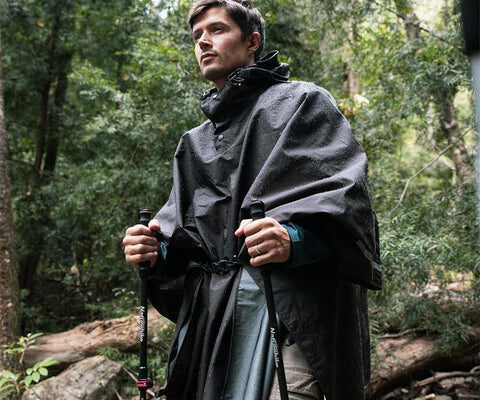
- Waterproof / resistant clothing
- Waterproof
- Rain boots
- Desking boots do not slip
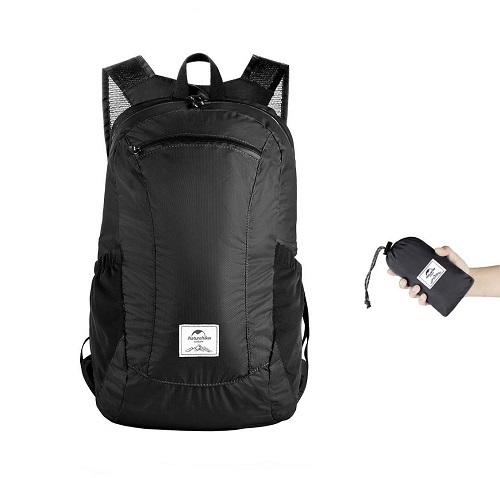
- The waterproof cover backpack
- Trekking poles
Tips for a backpack in the rain
- Warming you and protect you from the rain
- Water and food
- Do not use an umbrella
- Attention on slippery roads
- Stay safe
- Lamps or lanterns must be maintained
1. Keep heat and rain resistance
The most important thing on rainy days is preventing rain and maintaining heat. Avoid cooling or loss of temperature in the rain.
Two pieces of equipment necessary for the backpack in the rain: waterproof linen (or external rains) and waterproof trekking shoes. In addition to waterproof clothing, it is recommended to wear veil trousers, quick drying trousers and jackets.
Regardless of the length of the line, it is better to prepare a series of reserve clothes and add substitutes as needed. It is forbidden to wear pure cotton dresses, high heels, etc.
2. Water and food
Put the prepared food and drinking water in a place where it is not necessary to remove the backpack of the backpack so that you can easily restore your energy while bathing the backpack.
Do not quickly remove the coverage of the rain, the waterproof, the snow cover and other backpack equipment. After the rain, especially after the breath of the wind, the rainwater will fall from the trees and remain a residual rainwater on the plants on the roadside.
3. Do not use an umbrella
Do not use an umbrella when you are out on rainy days. You can’t keep an umbrella with an empty hand. This is particularly true for outdoor activities. It is easy to cling to the surface of the umbrella and losing balance when it crosses the forest. Umbrellas are very dangerous on the mountain.
Rain clothing is, preferably, a professional rain coat for the outside, throughout the body. When walking, you need to tighten the rope of the waterproof jacket and hood and tighten the clothes cuffs. If the legs of the pants are relatively short, it is necessary to prepare a further snow cover to prevent the flow of rainwater in the shoes
4. Pay attention to slippery roads
Sliding roads on rainy days, pay attention to non slip. Especially when walking in the mountains, the green tooth is easy to grow on stones.
Right now, you carefully go close to the mountain side. Avoid sliding on the rock. When the «flow cut» phenomenon appears in the middle of the team, the last player in front of the team must make a sign to the fork to guide the rear players; The first player in the rear team must also carefully identify the signs, combining traces of steps and passages, emitting correct judgments and avoiding losing themselves.
5. Stay safe
The most important point is that if you are experiencing outdoor storms, you should avoid and take security measures in time.
Avoid using all slightly conductive objects such as closing the mobile phone. If you have metal objects in your hands, such as metal pillars, umbrellas, knives, etc. Quickly move them to a distant place.
Do not protect rain trees, especially open media trees, because it is very likely to become a way to download lightning; Do not take refuge from the rain next to high buildings (such as towers, etc.); And do not take refuge from the old wet buildings ((like ancient temples, etc.) to avoid rain; stay away from the building of the building; if you have not placed where to hide in nature, crouch immediately and close your feet, do not hold back the ground, more vulnerable to flashes compared to other parts of the body.
Furthermore, it is not advisable to avoid storms under large trees. If you need to keep a distance of 3 meters from the trunk.
6. The head or torches must be maintained
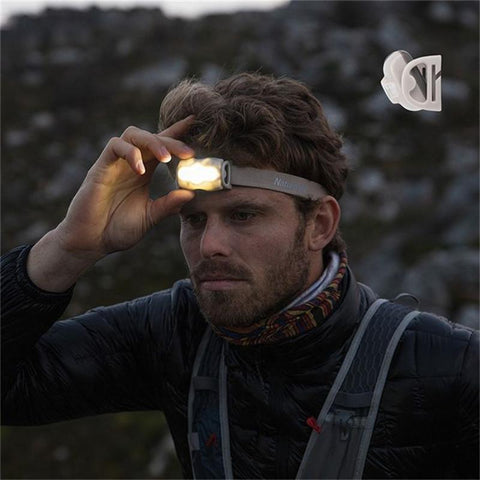
Lamps and head torches are essential equipment for external excursions. It must be taken on rainy days. Since there is no sun on rainy days, it obscures before the mountains. Lanter headlights are illuminated in time to prevent slippery road injuries and prevent wandering.
Summarize
Even the rapid drying capacity of the equipment after rain are important! You can make sure to stay dry and comfortable during the next trip and avoid cooling due to wet clothes.
After teaching time, you can stop and rest for a long time. If shoes are used, they can be dry in the shade. Be careful not to dry the shoes in the sun, the sunlight will accelerate the oxidation of the rubber layer of trekking shoes. The clothes can shake the drops of water and clean the drops of water left with a soft cloth.
latest posts published

Explore Lyon’s traboules with mobile applications

Caravaning in Lyon: where home?

First look: The Light Tent Taga

Review of the trekking pole – camping curtains
Brown friends and clean air: a camping guide

How to choose the camping hat?

The best bathroom points near Lyon camping
How to sleep well when you are camping?

Kitchen equipment for camping