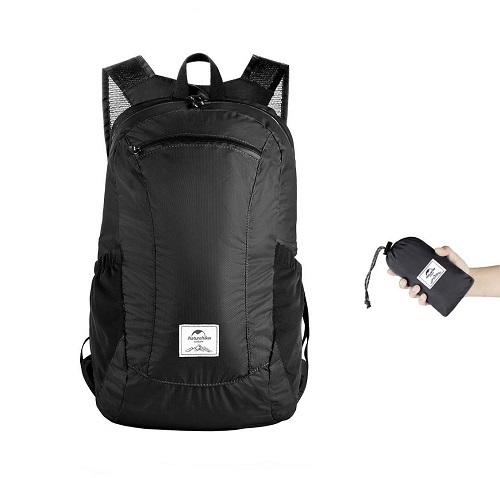

This article has relatively high requests for waterproofing, in particular for crossings, umbrellas, etc. With more waterproof and hydrophobic performance. For this waterproof and waterproof device, how to better update performance?
Can the waterproof curtain with two layers be performed without measuring the waterproof equipment? There is no way to wash with water or to assault the static pressure of the rainy days and there must be an index determined by it.
How to Evaluate and Restore a Tent’s Waterproof Performance
The waterproof performance of a tent cannot be judged only by looking at the fabric or pouring a small amount of water over it. Outdoor shelters must resist prolonged rain, wind-driven moisture, water pressure from the ground, and repeated contact with wet equipment. For this reason, manufacturers usually evaluate waterproof materials using a hydrostatic-head rating, expressed in millimeters.
This measurement indicates how much water pressure a fabric can withstand before moisture begins to penetrate it. A higher figure generally provides greater protection, although the construction quality of the tent is just as important as the fabric rating. Seams, zippers, floor corners, ventilation openings, and attachment points are common areas where water may enter.
Waterproof curtain – camping curtains
Double-wall tents normally provide better moisture management than single-wall models. The exterior rainfly blocks rain, while the inner layer creates separation between the sleeping area and condensation that develops on the outer fabric.
However, having two layers does not automatically guarantee complete waterproofing. If the rainfly touches the inner tent, if the seams are damaged, or if the shelter is pitched incorrectly, moisture can still reach the interior.
A basic waterproof test can be performed at home before taking the tent into remote areas. Set it up completely and use a garden hose to simulate steady rainfall for several minutes. Avoid directing a powerful stream at a single area, as this does not accurately represent normal rain. One person can remain inside to inspect the seams, floor, corners, windows, and zipper areas for small droplets or damp spots.
The tent floor should receive special attention because it is exposed to pressure from the camper’s body, sleeping equipment, and wet ground. Even a fabric with a good waterproof rating may eventually allow moisture through if it is placed directly over sharp stones, saturated soil, or standing water. A correctly sized groundsheet can protect the floor from abrasion and provide an additional moisture barrier. It should not extend beyond the tent edges, as exposed material may collect rainwater and direct it underneath the shelter.
Water-repellent coatings gradually lose effectiveness because of sunlight, dirt, friction, and repeated packing. When rainwater stops forming droplets and begins soaking into the outer fabric, the durable water-repellent treatment may need to be restored. Begin by cleaning the tent carefully with lukewarm water, a soft sponge, and a cleaner designed for technical outdoor fabrics. Strong household detergents, bleach, fabric softeners, and washing machines can damage coatings and seam treatments.
After cleaning and drying the tent, apply a compatible waterproofing spray evenly to the exterior surface. Some products work best when the fabric is slightly damp, while others require a completely dry surface, so always follow the manufacturer’s instructions. Excess product should be removed to avoid sticky areas or uneven marks.
Seam sealing is another essential maintenance task. If the original seam tape begins peeling or cracking, remove loose material carefully and apply an appropriate seam sealer. Silicone-coated fabrics usually require silicone-based products, while polyurethane-coated materials need a different formula.
Regular inspection and maintenance are more reliable than waiting for a leak to appear during a storm. Testing the tent before each major trip, storing it completely dry, and avoiding unnecessary UV exposure can preserve its waterproof performance and extend its usable life considerably.
The waterproofing method is very simple to tell you in advance. I’ll tell you today:
- Use your fingers to sink the drops of water
- Take the corner of the curtain and push him strong
The waterproofing of the drops of water is not qualified. The subsequent water pressure should be greater than 1500 mm of static pressure.
The Linda of the PU layer and the coating technology determine the resistance to the water of the fabric and the thickness of the layer is expressed in mm, indicating the height of the static waterproof layer in laboratory conditions.
The PU800 coverage shows that the coating is not permeable under the 800 mm static water column.
The level of waterproofing
- The waterproof 300 mm is generally used for the beach, the curtains of the sun cream or cotton curtains for drought and smaller rain.
- 800 mm-12mm waterproof is used for simple conventional camping curtains, which can prevent rain from moderate light.
- Impossible from 1500 mm-3000 mm is used to compare medium-range curtains, which can prevent a heavy rain from heavy rain.
- Waterproof over 3000 mm are generally professional curtains, which have been treated with technologies such as high temperatures / resistance to cold and can be used in various environments.
The curtain floor carpet is positioned directly on the ground, so it is easy to contact the soil humidity and it is easy to soften in the water when it rains, so that the water carpet is higher than the external curtain.
Three seasons tent
If it is a three-seasons tent (spring, summer and autumn), it is not used in difficult environments and the waterproof PU is very sufficient in 2000 mm-3000 mm.
The external temptation is waterproof PU2000mm and the floor carpet is 3000 mm waterproof, which can be used in medium -a -caught rain vehicles.
Tent for 4 seasons
The many for four seasons should be used in difficult environments, such as high mountains and snow, and requirements for the waterproof coefficient are relatively high, about 3000 mm-5000 mm.
The external curtain is waterproof PU3000mm and the floor carpet is 5000 mm waterproof, which is a typical alpine snow curtain.
Naturehike Waterpfoor/Rain -proof tent
4 -seasons camping tent of 2 people
Rain -resistant Fabrics
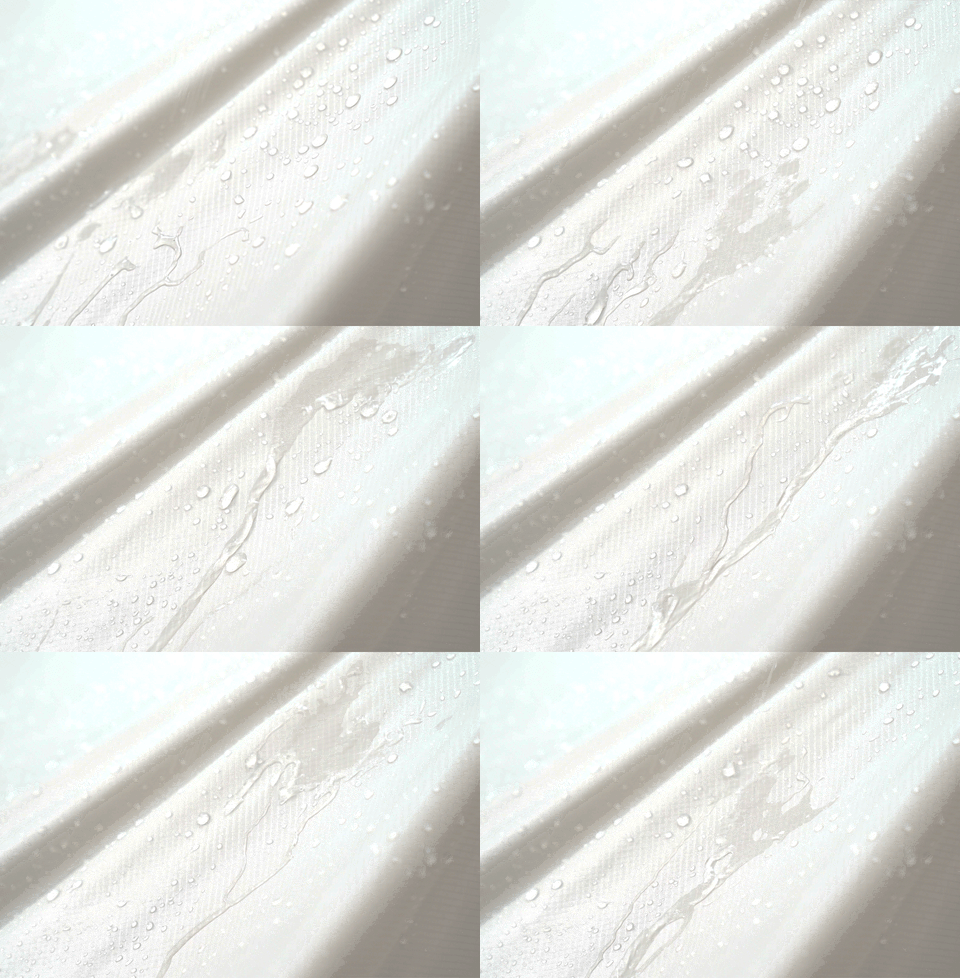
Made of 20d/210t silicone nylon material, plus 4000+/3000+ waterproof layer, our tent is good enough to meet your camping needs for leisure and rainfall
Dense oxford 300mm fabric
Bidirectional ventilation window on the roof of the tent to promote the circulation of the internal and external air
Conclusion
In conclusion, the discussion highlights the increasing demand for effective waterproofing solutions in modern devices and accessories. As user expectations rise, there is a clear need for manufacturers to enhance hydrophobic performance, especially for applications such as crossings, umbrellas, and other items exposed to continuous or unexpected water contact. Waterproofing is no longer considered a secondary feature but rather an essential requirement that directly influences both usability and durability.
The question of whether a two-layer waterproof curtain can function without thorough equipment testing illustrates the importance of standardized evaluation methods. Without proper measurement of waterproof resistance, such as static pressure tests under rainy conditions, claims of durability cannot be fully validated. This indicates the necessity of developing industry-wide benchmarks that provide transparent, reliable, and comparable results for consumers and manufacturers alike. Only through objective testing can products truly guarantee the level of protection they promise.
Moreover, the inability to simply “wash away” or bypass waterproofing challenges reflects the complexity of modern material science. It is not enough to rely on design assumptions; real-world scenarios, including heavy rainfall, static water pressure, and long-term wear, must all be considered. Therefore, future innovations should not only focus on adding more layers but also on improving material composition, surface treatments, and overall structural design. Advances such as nano-coatings, breathable membranes, and hybrid protective barriers could serve as the next step in elevating performance.
Ultimately, waterproofing is a balance between functionality, comfort, and resilience. As consumer lifestyles demand more versatile products, the call for superior waterproof technologies will only intensify. By investing in precise testing, innovative materials, and user-centered design, manufacturers can ensure that waterproof devices and accessories deliver reliability and peace of mind, even under the most challenging environmental conditions.
latest posts published
Explore Lyon’s traboules with mobile applications

Caravaning in Lyon: where home?

First look: The Light Tent Taga

Review of the trekking pole – camping curtains
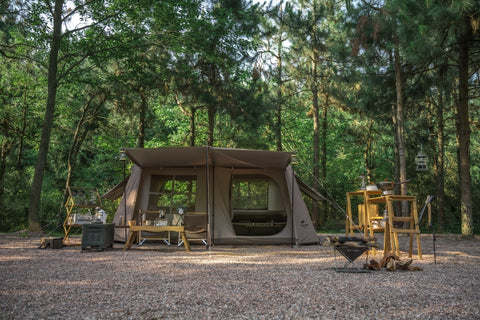
Brown friends and clean air: a camping guide

How to choose the camping hat?
The best bathroom points near Lyon camping
How to sleep well when you are camping?

Kitchen equipment for camping