
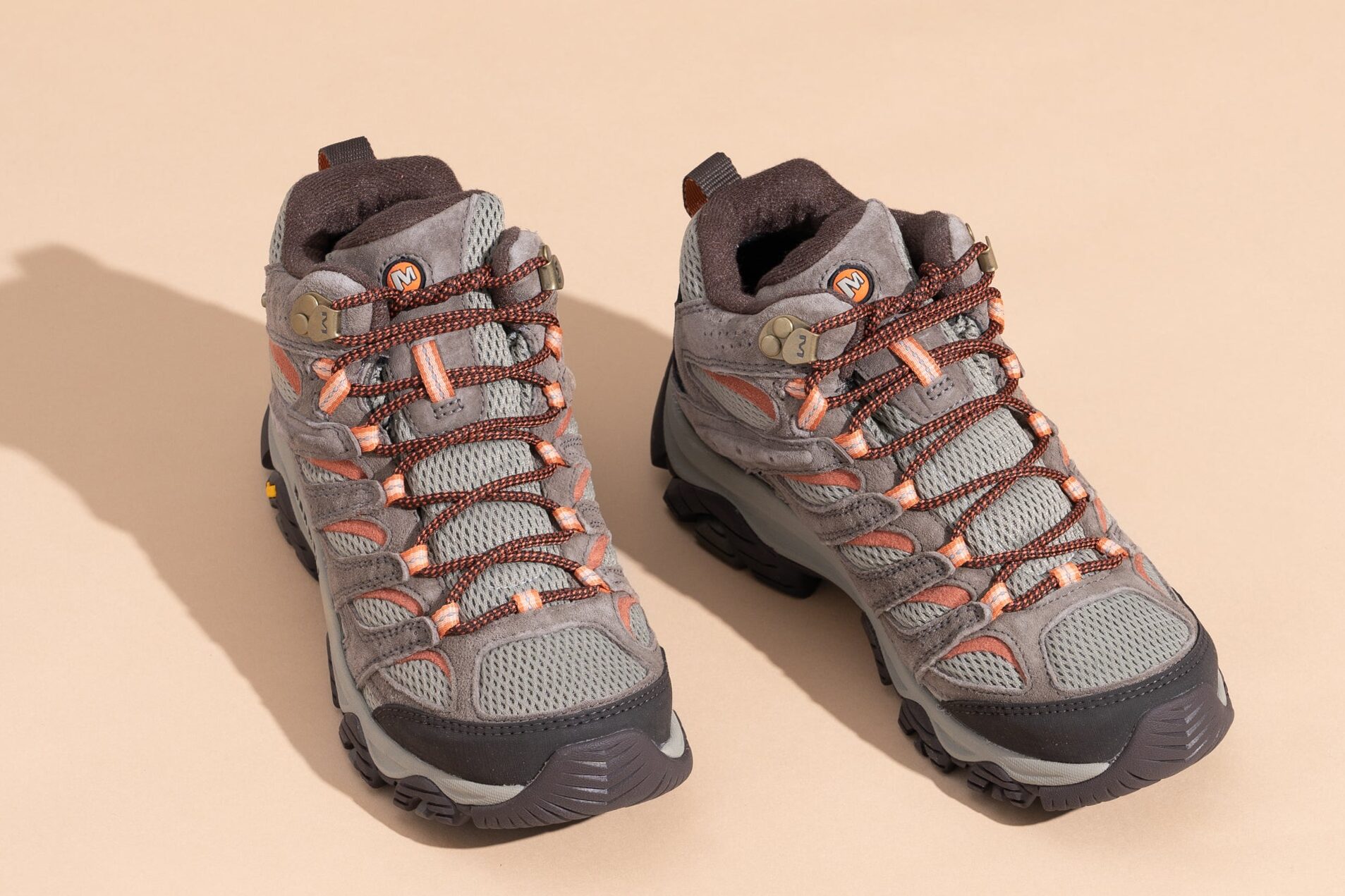
Adapted to your needs and parameters, footwear are a key element that determines the comfort, safety and performance of your excursions on the mountain. Trekking shoes are designed to provide stability, protection and comfort for your feet while crossing the most demanding land. To select ideal trekking shoes, in this guide we will focus on the most important parameters, such as the height and material of the upper part, the waterproof or the type of sole.
One of the important factors to be taken into consideration when choosing the right footwear is setting on which type of earth you will go to the excursion, while and what period of the year. Are you going to travel light routes during the summer, do you expect long excursions on hard and rocky routes or do they go to shipments in more extreme places, with winter conditions? By choosing the trekking shoes adapted to the specific soil and the type of excursions, not only increases comfort and safety, but also the impact on physical performance. The type of sole is also an important appearance, depending on the type of mountain ground you intend to cross, you may need shoes with a more aggressive sole to provide better adhesion on slippery surfaces or equipped with a softer sole for wider comfort on long routes. If mountain trips in winter or glaciers, choose the trekking shoes with a strong sole, which allows you to wear cramps. In addition, the rigidity of the sole is important, which influences foot stability when you overcome rough soils. In addition, the quality of the materials used to make trekking shoes also. The skin, synthetic materials and waterproof membranes are more commonly used to guarantee durability, resistance and protection against time.
Another important aspect to consider when you buy hiking footwear are your parameters and your individual needs, as well as your level of performance and frequency with which you go to the mountain (travel for free time several times a year on regular voices or shipments in both John mountains, as well as in the highest).
The height of the upper part is one of the first aspects that you will consider when choosing the mountain shoes. The choice between low and high trekking shoes will depend on the ground, the type of path and your level of experience.
Contrary to what could be believed, they are not footwear dedicated exclusively to winter clothes.
Trekking shoe with Top Top
It works in all seasons and in all conditions. The main advantage of mountain footwear is a better ankle support, so it is less likely to stop or suffer an ankle trauma. This is a great advantage not only on steep, technical or rocky land during via ferrata or during shipments with a
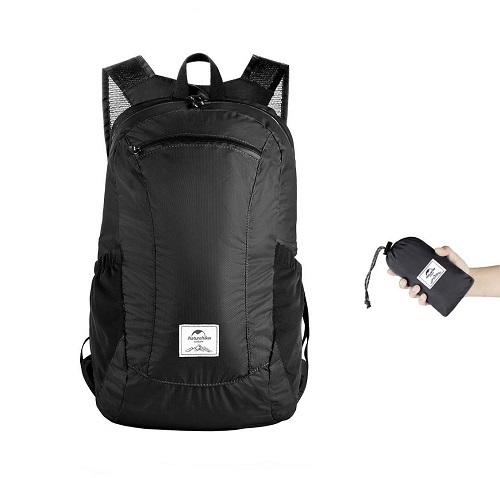
Tourist backpack
Hard, but also at the beginning of the adventure of the mountain trip. The trekking footwear on the ankle also help protect the foot and leg of scratches, bruises, splashes, dirt or insects (reduces the risk of insects inside the shoes). The high soles are also a good option if you return to mountain activities after a foot injury or an ankle, or if you go out on a hiking route, but you have a lifestyle with reduced activities every day.
Trekking footwear
with the upper side
It is characterized by low weight, flexibility and good ventilation, which makes it ideal for faster excursions, easy soils and low mountains. The low upper part gives the ankle more freedom and does not limit its movement, which can be convenient when following rights or low difficulty routes. The low -top shoes are also a good choice for warmer months: they provide a suitable air flow around the foot, reducing the risk of overheating for expert excursions.
The production of trekking shoes is used:
- natural skin (For example, transformed skin, cow leather) – It stands out for high durability, resistance and protection against stones, branches and other obstacles on the route. The natural skin is also flexible and adapts to the shape of the foot, which improves comfort in mountain excursions. The negative part is that regular maintenance (including waterproofing) is necessary to maintain their protective properties;
- Synthetic material (For example, in nylon, polyester, ecological fabric or mesh): it is characterized by a lower weight than the skin, good breathability, flexibility and quick drying. In addition, many manufacturers use technologies that make mountain shoes waterproof or hydrophopics to provide humidity protection. On the positive side, it is worth noting the greater resistance to wear and less maintenance.
Trekking shoes can be equipped with waterproof membranes including the emblematic Gore-Tex®(others include Outdry ™ and Omni-Tech ™ from Colombia or Futurelight ™ from the north wall) to provide protection against rain and humidity. It is worth mentioning, however, that these membranes ensure a slightly smaller air circulation, which makes a little more difficult to get out of the water vapor inside the footwear and is reflected, among other things, in a faster sweating during intense physical exercises. Choosing a Mountain footwear membrane will work if you intend to make an excursion in variable weather conditions, in winter or in areas with high humidity. For the summer months, it is advisable to choose hiking footwear without membrane, but with breathable network panels, for example. It is a good waterproof idea to reduce the risk of water penetration inside.
The type of sole in mountain shoes must be adapted to the specific soil. A good quality sole should guarantee adequate adhesion on different types of surfaces and protect sliding legs on wet or irregular soils. Choose a sole Vibram® Durable and abrasion resistant, which can cope with both slippery and dry surfaces. Eva foam AND Megagrip Allows a high relationship between duration and flexibility. It is worth guaranteeing adequate shock absorption to reduce the risk of joint elongation.
Of the important aspects that we must consider when choosing trekking shoes, it is worth mentioning:
- Strengthen the footwear muzzle– This can be, for example, a double rubber. It contributes to a longer duration of footwear and protects the fingers of the effects of hitting a stone;
- Binding system– He is responsible for regulating footwear and ankle. Pay attention to the ease with which the laces and the presence of additional hooks and terminals are canceled;
- Antibacterial branch with ergonomic sole (For example, Ortholite®), which guarantees an optimal fit of the foot, excellent ventilation and a high level of comfort.
Trekking footwear should correspond correctly, but at the same time cause discomfort or pressure, especially around the fingers, heel and ankle. When you try a certain model, keep in mind that your feet swell during long and harsh excursions, so it is worth leaving a small space for this event. To make sure that the mountain shoes are more suitable, it is good to measure them after a day or a long walk, tired and slightly swollen and with the trekking socks you intend to wear. It crosses some steps to check how footwear resist foot and if it causes a little friction or pressure.
To measure the length of the foot:
- Prepare a sheet of paper, a pencil and a tailor meter.
- Sit on the piece of paper and use an indicator to outline the right foot, then the left one.
- Measure the distance from the heels to the poorest finger on both legs.
- The results obtained with the manufacturer’s size table for the selected model of trekking shoes are compared. Remember that several brands can have slightly different standard standards.
If you buy online trekking shoes, opt for a top of 0.5-1 cm longer than foot size.
Do you want to choose robust trekking footwear, where can you travel every kilometer of the mountains, feel comfortable and safe, regardless of the weather and terrestrial conditions? Choose verified and reliable brands for many professional trekking enthusiasts and leisure: Salewa, Alpina, Columbia, Salomon, Dolomite, Helly Hansen, Hoka, Jack Wolfskin, the sports, Mammut, Meindl, Sau The North Face Scarpa. A rich choice of
latest posts published
Explore Lyon’s traboules with mobile applications

Caravaning in Lyon: where home?

First look: The Light Tent Taga

Review of the trekking pole – camping curtains
Brown friends and clean air: a camping guide

How to choose the camping hat?
The best bathroom points near Lyon camping
How to sleep well when you are camping?

Kitchen equipment for camping